With your permission we measure how the site is used and show content from other services: Google Maps, YouTube, Spotify. Accept or reject all of it, or choose in your preferences. You can change this at any time from Privacy preferences at the foot of every page. Privacy policy
This case study on Uzbekistan enhances ESCAP technical and advisory assistance to its member States, in particular aligning with the region’s efforts to bring care to the centre of public policy. The study aims to draw great attention and resources…
An inclusive, participatory and egalitarian society will only be achieved if the policies to promote it synergistically andcreatively relate the transformative realities and potentialities of ICTs and technological change with other resources essential to achieving social, climate and gender justice.…
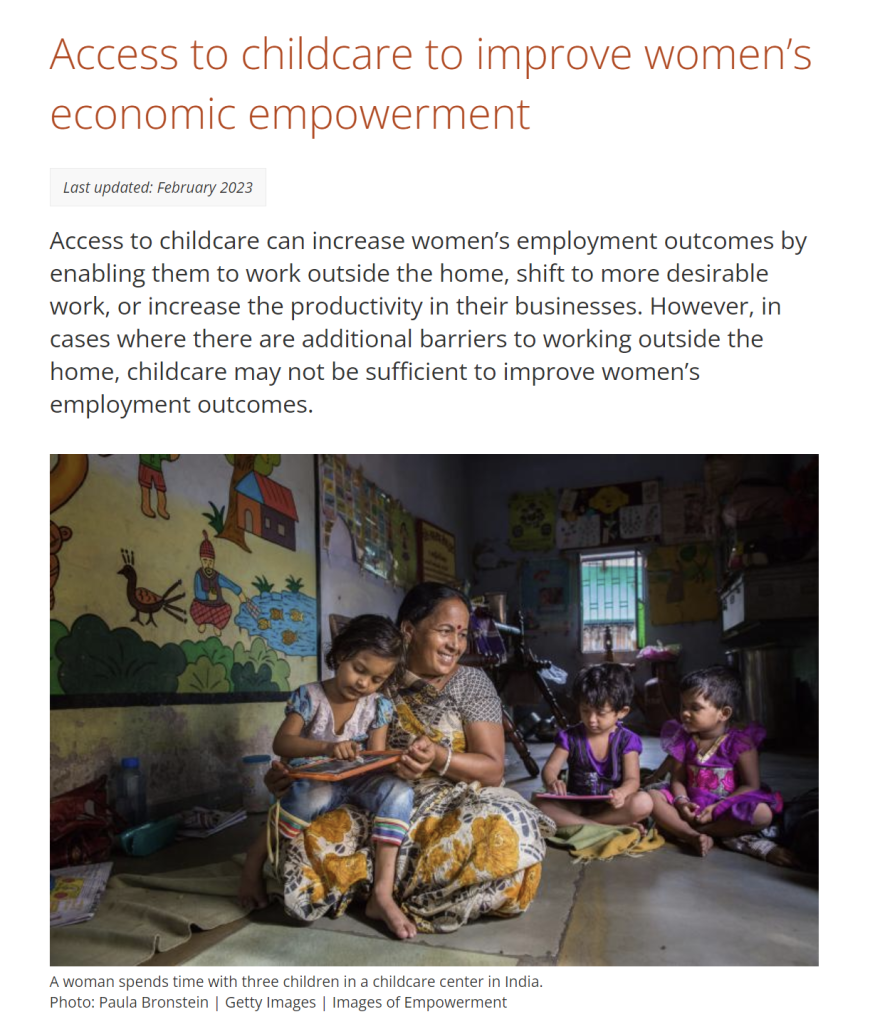
Access to childcare can increase women’s employment outcomes by enabling them to work outside the home, shift to more desirable work, or increase the productivity in their businesses. However, in cases where there are additional barriers to working outside the…
We talked to Fernanda Manuel, the Sustainability, Diversity, and Inclusion Manager at Arredo and coordinator of the "Cuidar Cuidando Cuidando" Program.
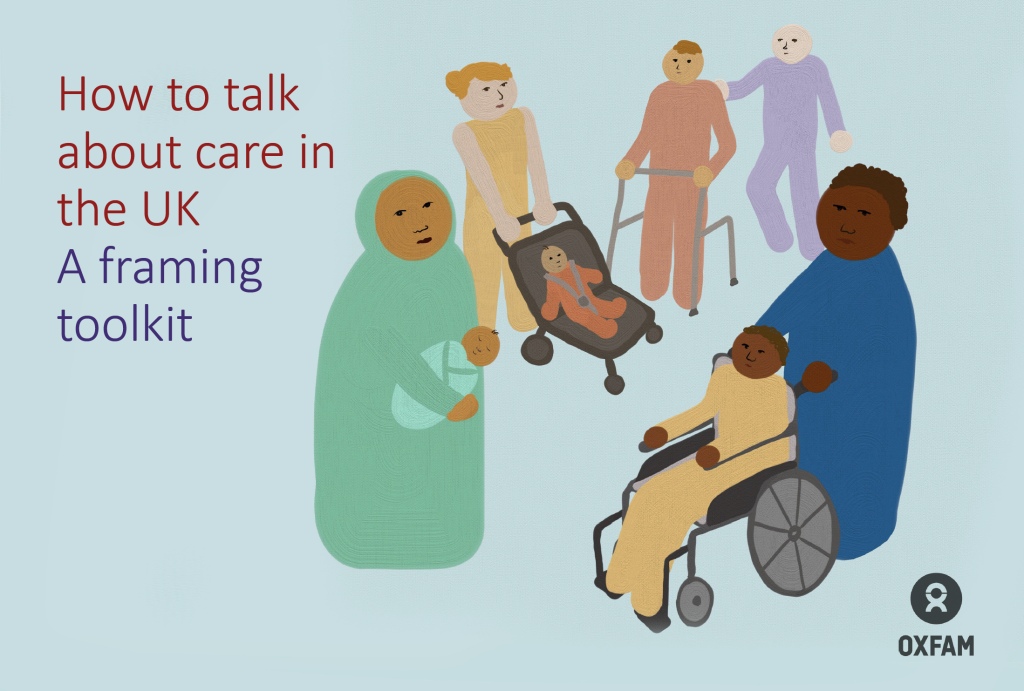
In this toolkit you will find some helpful recommendations and tools that can be used flexibly by anyone who wants to talk more effectively about the value of all care, paid and unpaid, to the UK general public.
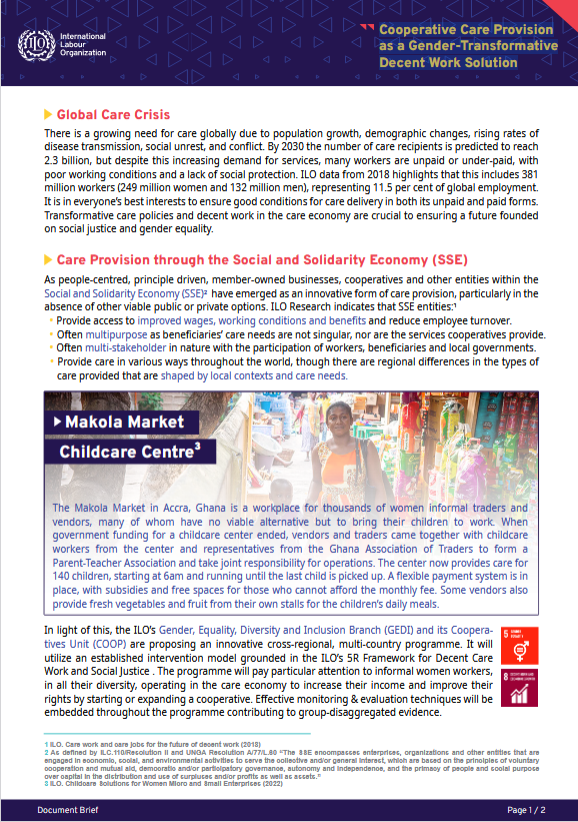
There is a growing need for care globally due to population growth, demographic changes, rising rates of disease transmission, social unrest, and conflict. By 2030 the number of care recipients is predicted to reach 2.3 billion, but despite this increasing…
This Technical Note provides guidance on how to use the online ILO Care Policy Investment Simulator by explaining the underlying methodology, calculations and results. The Simulator helps build tailor-made care policy investment packages to fill national gaps on care leave…
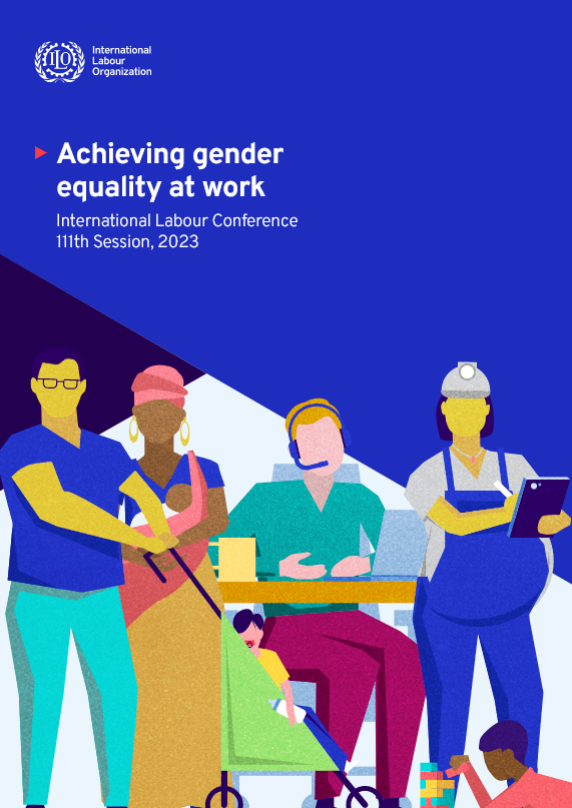
General Survey on the Discrimination (Employment and Occupation) Convention, 1958 (No. 111), the Workers with Family Responsibilities Convention, 1981 (No. 156), the Maternity Protection Convention, 2000 (No. 183), the Discrimination (Employment and Occupation) Recommendation, 1958 (No. 111), the Workers with…
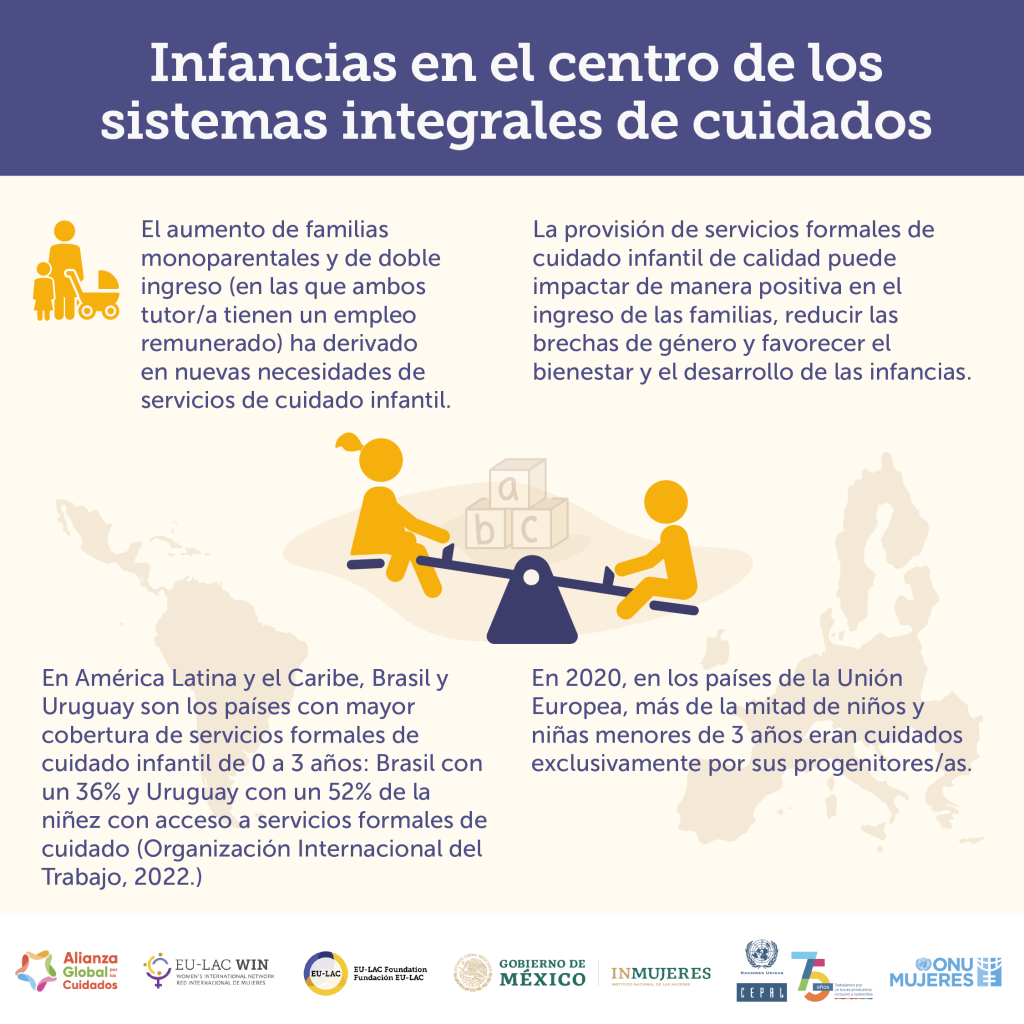
In the World Children's Day framework, we reflect on the importance of care work, reducing gender gaps, and promoting the well-being of children, parents, and caregivers.Childcare services must be accessible to all, and they are the key to a more…
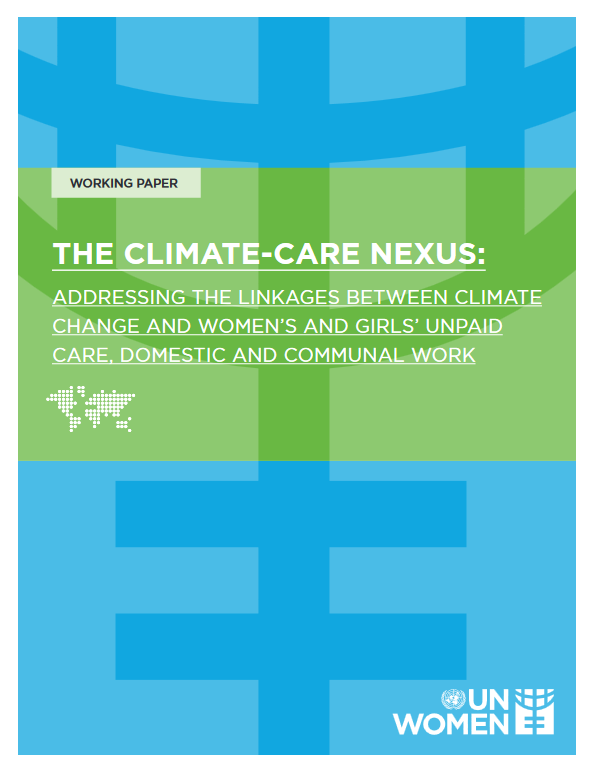
The transformation of societies and economies towards paradigms centred on interdependence, care, and sustainability is urgently needed. In this context, this working paper sheds light on emerging efforts to address women’s and girls’ unpaid care, domestic, and communal work in…
This guide seeks to reclaim ancestral self-care practices and place women’s self-care at the heart of political debate, fostering healing-centered leadership among women leaders and human rights defenders and promoting sustainable activism.
This policy brief examines the low rate of female labour force participation in Asia and the Pacific and its correlation with persistent inequalities in the distribution of care responsibilities between men and women as well as the society and the…
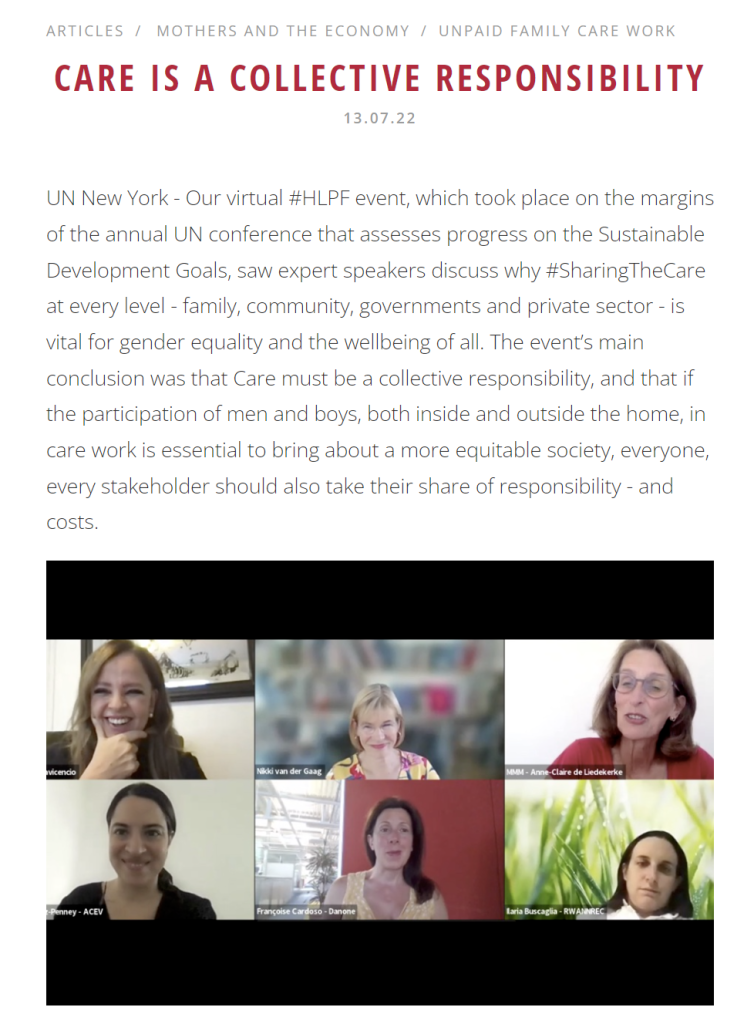
This virtual HLPF side-event saw expert speakers discuss why #SharingTheCare at every level - family, community, governments and private sector - is vital for gender equality and the wellbeing of all. The event’s main conclusion was that Care must be…
The ILO launches its new report on care at work, highlighting the benefits of investing in care services and policies to alleviate poverty, encourage gender equality and support care for children and the elderly in Indonesia.
We talked to Aldana Torno, a Gynecologist for more than 10 years and since 2011 part of the team of Procrearte, an institution in Argentina specializing in the field of reproductive medicine.
This document, from the diversity of voices of groups, organizations, NGOs and networks of women and feminists in the Region, presents the priorities and recommendations that we consider necessary and urgent to advance in the achievement of gender equality, empowerment…
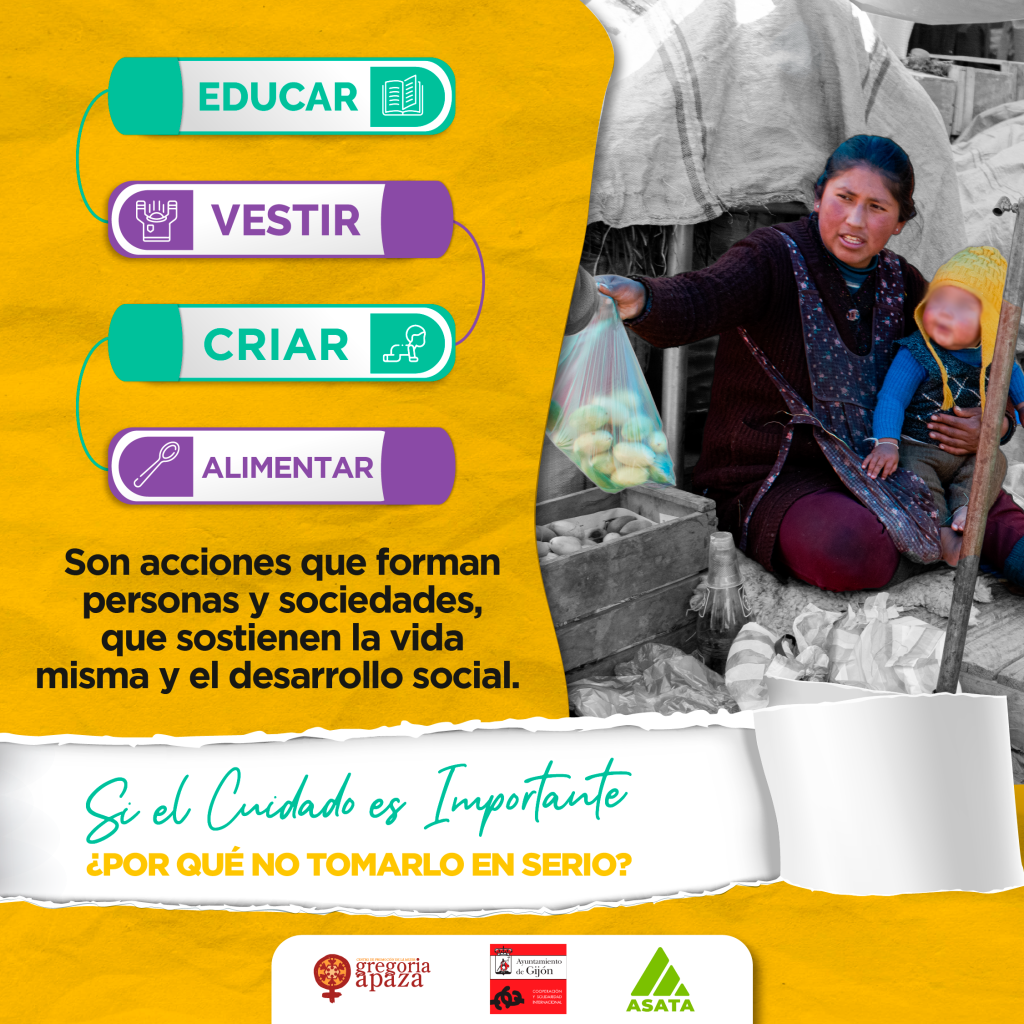
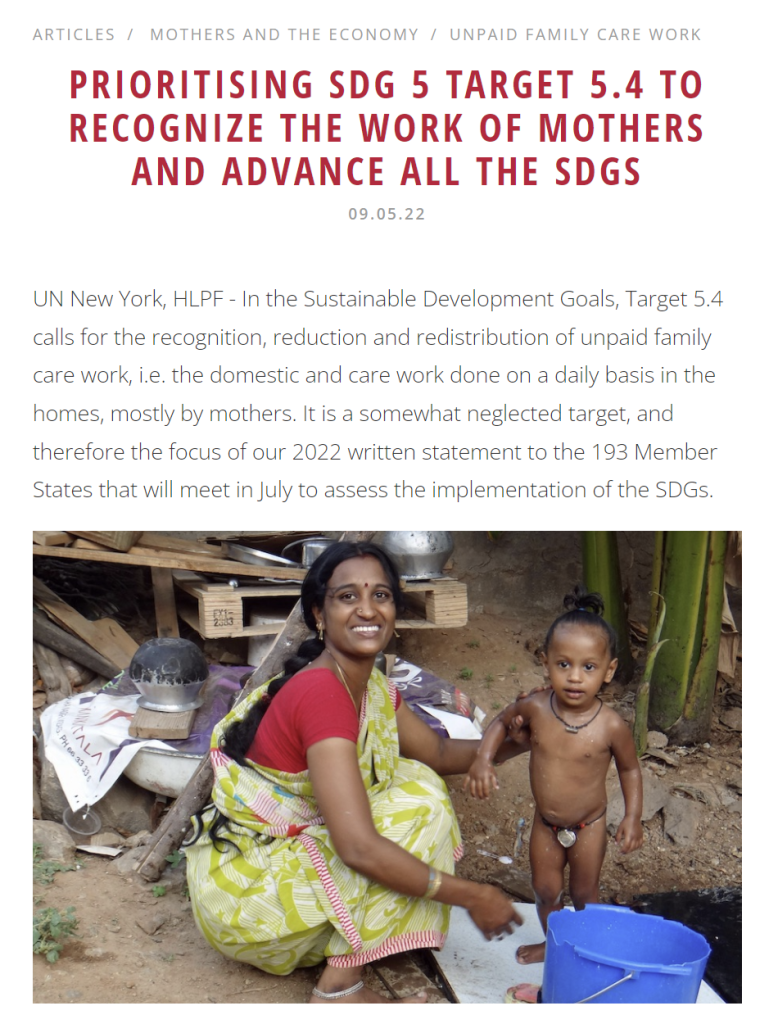
In the Sustainable Development Goals, Target 5.4 calls for the recognition, reduction and redistribution of unpaid family care work, i.e. the domestic and care work done on a daily basis in the homes, mostly by mothers. It is a somewhat…
The study of pensions systems from a gender perspective involves addressing an issue of great relevance in contributing to achieving equality between men and women in the region. Women face multiple and diverse inequalities throughout the life cycle. It should…