With your permission we measure how the site is used and show content from other services: Google Maps, YouTube, Spotify. Accept or reject all of it, or choose in your preferences. You can change this at any time from Privacy preferences at the foot of every page. Privacy policy
This Technical Note provides guidance on how to use the online ILO Care Policy Investment Simulator by explaining the underlying methodology, calculations and results. The Simulator helps build tailor-made care policy investment packages to fill national gaps on care leave…
In recent years, ongoing conflicts and crises coupled with demographic changes have spurred the urgent need for policy action and financing to support a resilient and gender-transformative care economy. With rising childcare, eldercare, and/or disability care needs, the demand for…
Every quality management and regulation system for the care of dependent persons defines criteria relating to the professional training of caregivers: content of training curricula, minimum qualification levels for access to certain occupations, duration of programs and hours of practice,…
This is a study on the public provision of childcare across 48 economies in Asia and the Pacific through the lens of accessibility, affordability, quality, and decent work for childcare workers. Based on its findings the study offers recommendations for…
This policy brief examines the low rate of female labour force participation in Asia and the Pacific and its correlation with persistent inequalities in the distribution of care responsibilities between men and women as well as the society and the…
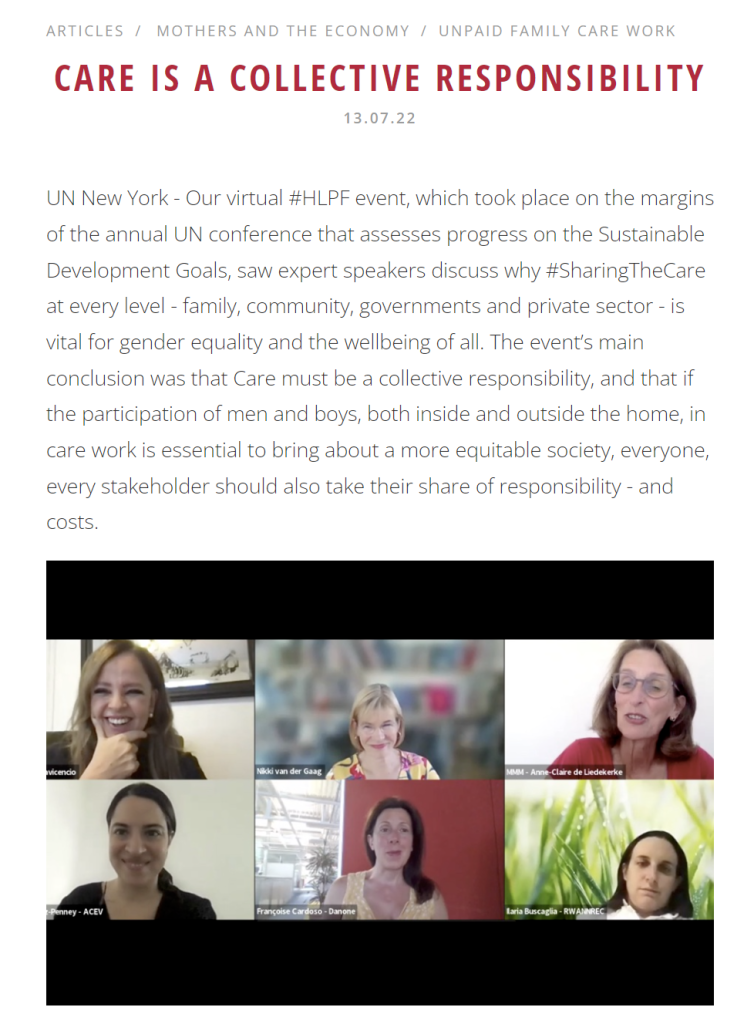
This virtual HLPF side-event saw expert speakers discuss why #SharingTheCare at every level - family, community, governments and private sector - is vital for gender equality and the wellbeing of all. The event’s main conclusion was that Care must be…
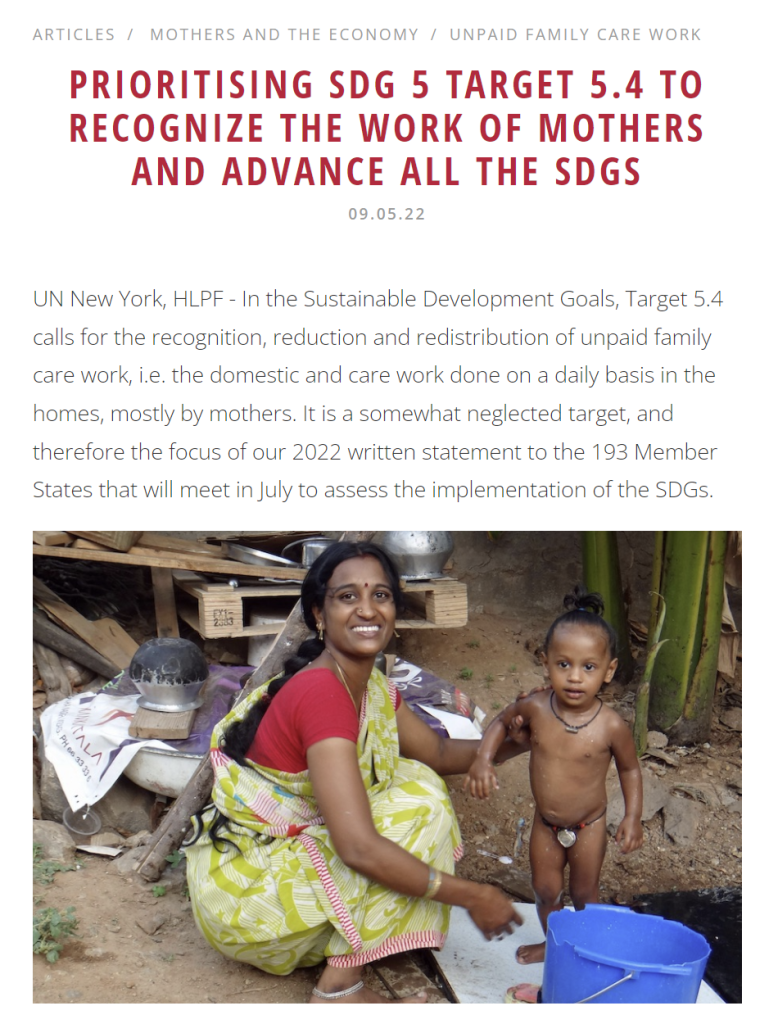
In the Sustainable Development Goals, Target 5.4 calls for the recognition, reduction and redistribution of unpaid family care work, i.e. the domestic and care work done on a daily basis in the homes, mostly by mothers. It is a somewhat…
This primer is designed to support policymakers and government officials in their efforts to achieve Sustainable Development Goal 5 on gender equality and empowerment of women in their countries. It lays out the basic concepts relating to what is called…
Labour shortages and high labour turnover are not a new or isolated problem brought on by the Covid-19 pandemic, but constitute a long-standing and burning issue in the long-term care sector. In this report, the authors outline the key issues…
The Covid-19 crisis caused waves of sickness,mental and physical exhaustion and deathfor essential workers in care homes, grocerystores, warehouses and distribution centres. Inresponse to the pandemic—and the long-standingproblems it exacerbated—trade unions developedsuccessful strategies and tactics for buildingunion power by organizing…
In this document, ELA and UNICEF Argentina present a decalogue aimed especially at legislators with the main problems and possible solutions regarding the distribution of care tasks and the flaws of the current leave system.
Care at work The centrality of care to life and to the functioning of economies and societies has become more evident than ever in the context of the COVID-19 pandemic. context of the COVID-19 pandemic. At the same time, this…
In July 2022, the “Experience exchange workshop on the design, approval and implementation of National Care Systems and/or national care policies” was held by the Global Alliance for Care, in collaboration with the Government of Mexico, through the National Institute…
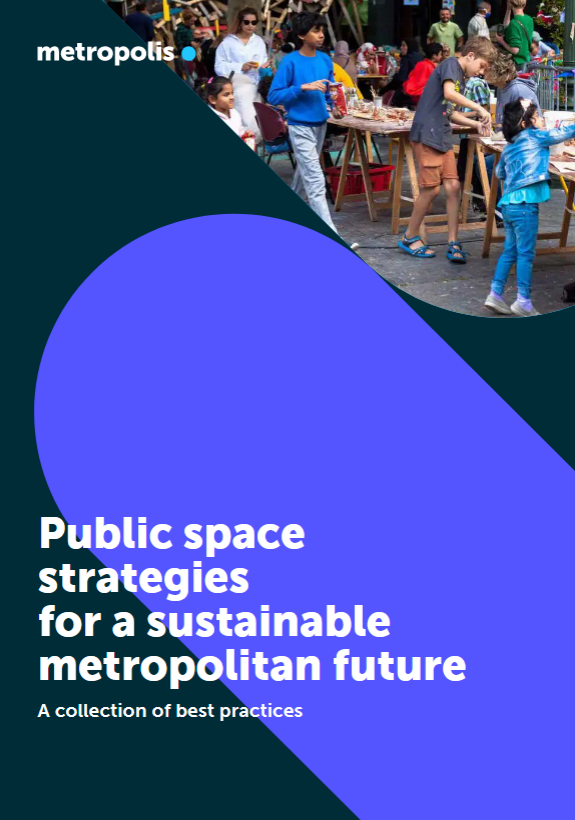
This publication aims to present best practices on public space to inspire cities and metropolitan governments in the process of creating better public spaces for all. To highlight the importance of an action-oriented approach, we have taken real-life projects, programmes…
With the acceleration of population ageing, the achieving of healthy ageing is becoming a global imperative and social protection policies and social security systems have an important role to play in this endeavour. Through a life-cycle approach, social protection systems…
The COVID-19 pandemic, with its profound and devastating effects in terms of human suffering, economic losses and social disruptions,has exposed the interconnectedness of our societies and the extent of inequalities within and between countries. A common agenda, as called for…
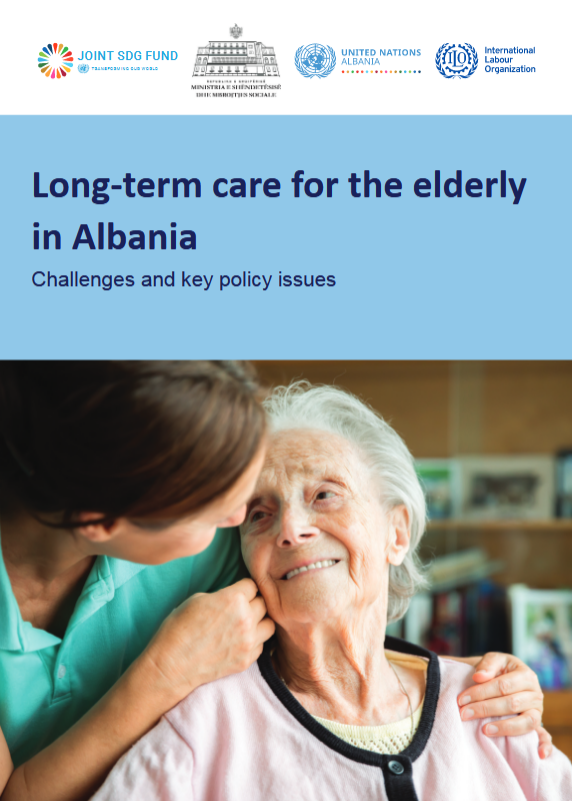
While the Albanian population is ageing rapidly, Albania is facing an imminent challenge to ensure the access to affordable and quality long-term care services for all the elderly in need. Within the framework of the Joint UN Programme “Strategic policy…
Within the framework of the Generation Equality Forum in 2021, the Government of Mexico, through the National Institute of Women (INMUJERES) with the support of UN Women, launched the Global Alliance for Care, as a collective commitment, through which there…
This guidance aims to provide implementing partners with a better understanding of the Government of Canada's approach to addressing unpaid and paid care work through international assistance, particularly with regard to developing care programming anchored in a feminist approach. It…
This guidance aims to provide implementing partners with a better understanding of the Government of Canada's approach to addressing unpaid and paid care work through international assistance, particularly with regard to developing care programming anchored in a feminist approach. It…