With your permission we measure how the site is used and show content from other services: Google Maps, YouTube, Spotify. Accept or reject all of it, or choose in your preferences. You can change this at any time from Privacy preferences at the foot of every page. Privacy policy
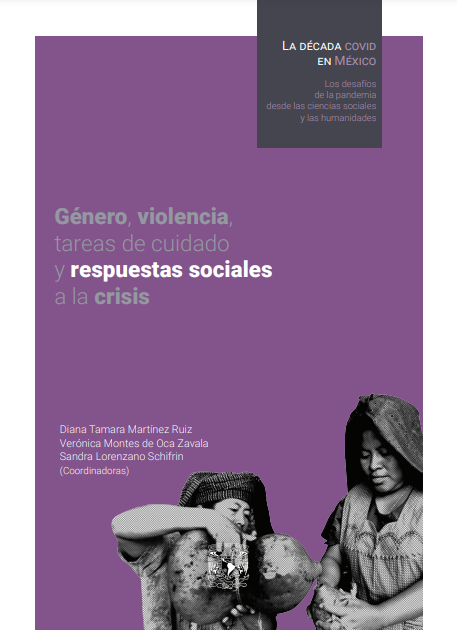
• In 2021 the Carolina Foundation and UNRISD launched a polyphonic project focused on reflecting, in a situated and critical way, on some of the most pressing challenges of Latin American in relation to gender justice. After the Covid-19 pandemic,…
In Argentina, especially since the coronavirus (COVID-19) pandemic, it has become increasingly evident that there are gender-related, as well as economic, inequalities in the social organization of care (OSC), which it is important to highlight and to change.In this context,…
Seeking to galvanise action to repeal discriminatory laws and encourage the adoption of regulatory frameworks conducive to women's economic empowerment, the Ibero-American General Secretariat (SEGIB) and UN Women have been promoting the Legal Frameworks for Women's Autonomy and Economic Empowerment…
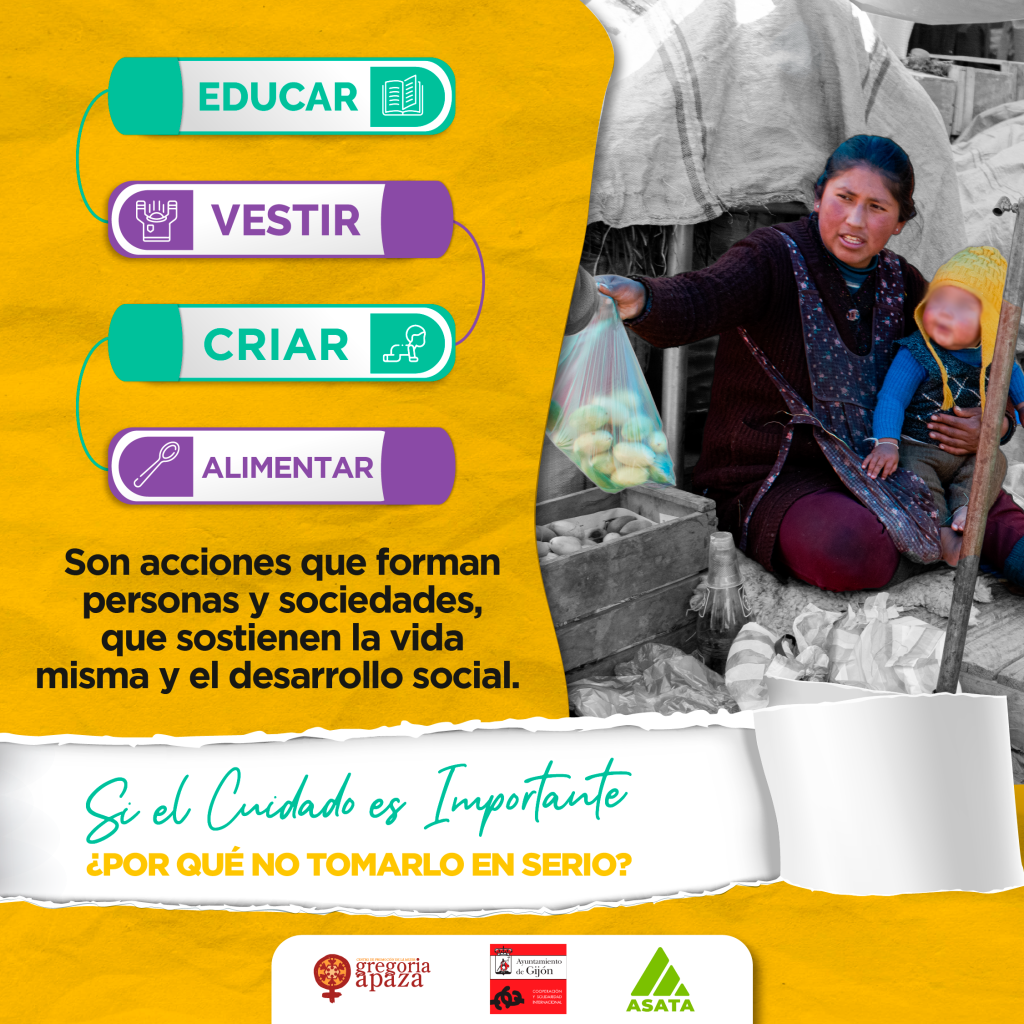
Care is an indispensable activity for the maintenance of life and the functioning of societies, in addition to fostering community development that favors the social and economic progress of countries. Conceptually, care implies comprehensive attention to meet the physical, emotional…
This paper describes and analyzes the design, implications and areas of opportunity of a selection of four care policies that constitute a pathway to social security in Latin America. These are a series of policies that recognize the central importance…
To leave no one behind and to reach those furthest behind first are the essential ambitions of the 2030 Agenda for Sustainable Development. Within that mandate, Sustainable Development Goal 5 (achieving gender equality and the empowerment of all women and…
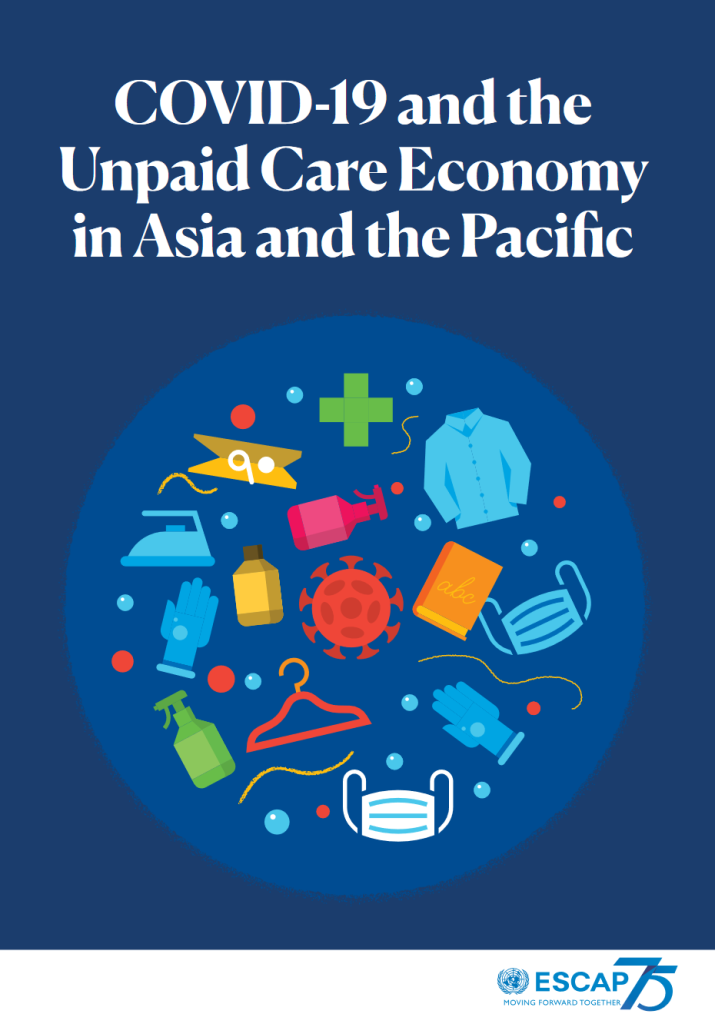
This case study on Indonesia strengthens ESCAP's technical and advisory support to member States, aligning closely with ASEAN's commitment to prioritize care in public policy. Building on the success of ESCAP's regional reports on COVID-19 and the unpaid care economy…
This case study on the Philippines enhances ESCAP’s technical and advisory assistance to its member States, in particular aligning with the ASEAN region’s efforts to bring care to the centre of public policy. The ASEAN Comprehensive Framework on Care Economy…
The objective of this study is to gather various experiences and governmental practices, particularly in Latin America and other parts of the world that are considered relevant, on specific actions, projects, programs or State policies that have sought to encourage…
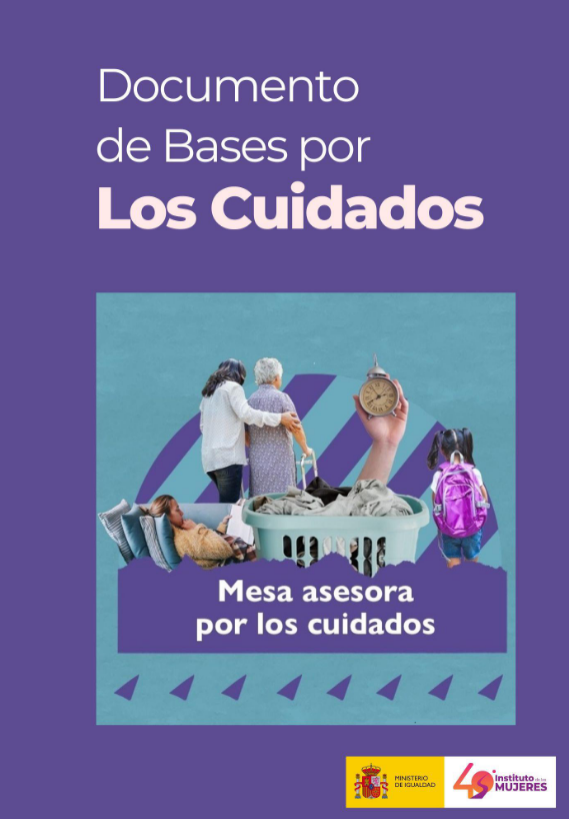
The Advisory Board for Care was established in September 2021 in response to the need to set up a stable participatory mechanism to accompany the Ministry of Equality and the Women's Institute in its agenda on public care policies. It…
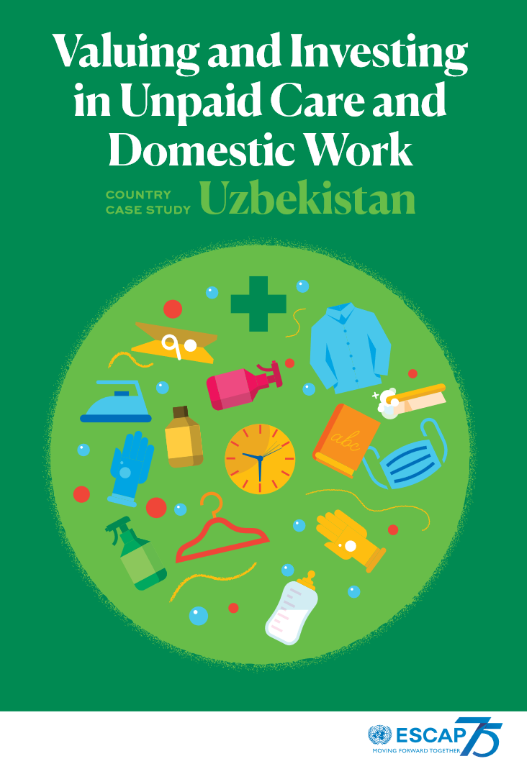
This case study on Uzbekistan enhances ESCAP technical and advisory assistance to its member States, in particular aligning with the region’s efforts to bring care to the centre of public policy. The study aims to draw great attention and resources…
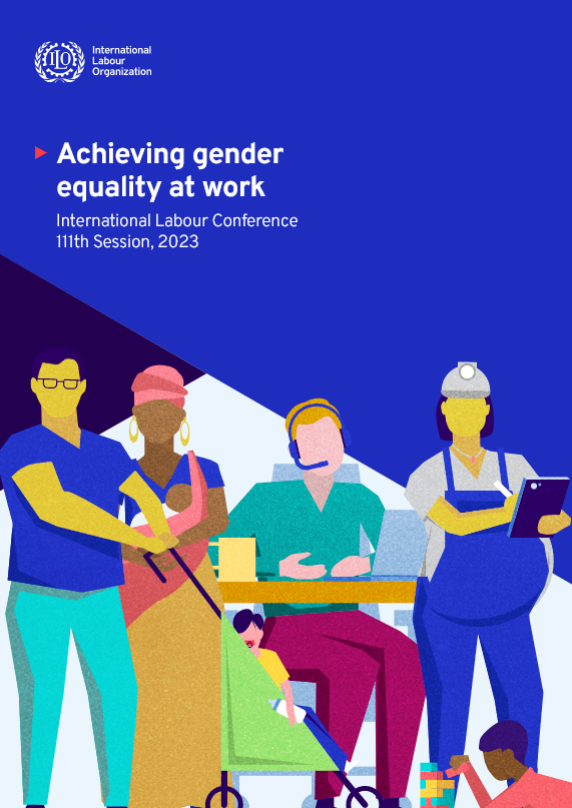
General Survey on the Discrimination (Employment and Occupation) Convention, 1958 (No. 111), the Workers with Family Responsibilities Convention, 1981 (No. 156), the Maternity Protection Convention, 2000 (No. 183), the Discrimination (Employment and Occupation) Recommendation, 1958 (No. 111), the Workers with…
The objective of this article is to provide elements for the analysis and discussion of care work and position it as a fundamental aspect of the government agenda. In this regard, we also aim to explain the model on which…
This report offers a qualitative analysis of the reform introduced by the Buenos Aires city government in its leave scheme (public employment) in 2018, based on the experiences of government workers.
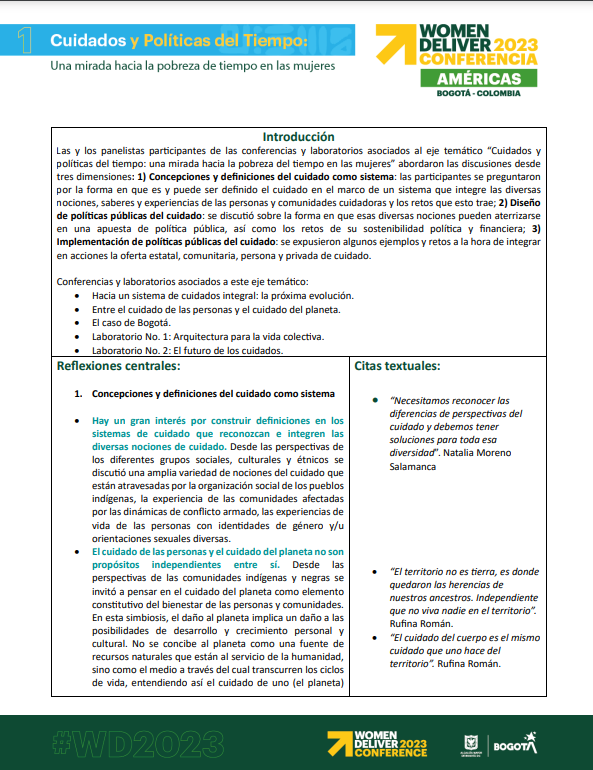
The panelists participating in the conferences and laboratories associated with the thematic axis "Care and time policies: a look at women's time poverty" approached the discussions from three dimensions: 1) Conceptions and definitions of care as a system: the participants…
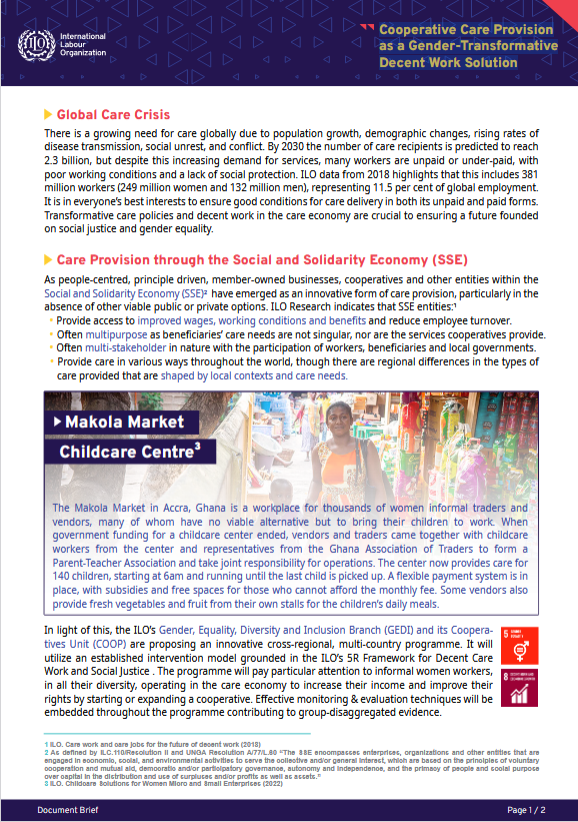
There is a growing need for care globally due to population growth, demographic changes, rising rates of disease transmission, social unrest, and conflict. By 2030 the number of care recipients is predicted to reach 2.3 billion, but despite this increasing…